Perfume Layering for Beginners: How to Compare Two Scents Without a Muddy Result
This guide helps you test a two-scent pairing while preserving a clear comparison with each scent alone. It uses original comparison exercises and practical examples alongside the linked brand and FDA references; it is not a claim that we have worn or laboratory-tested every product. Fragrance preference is personal, and names, marketing notes and bottle size cannot settle it for you. Work through the decisions below with the exact products and directions in front of you, then keep only the observations that help with your next choice.
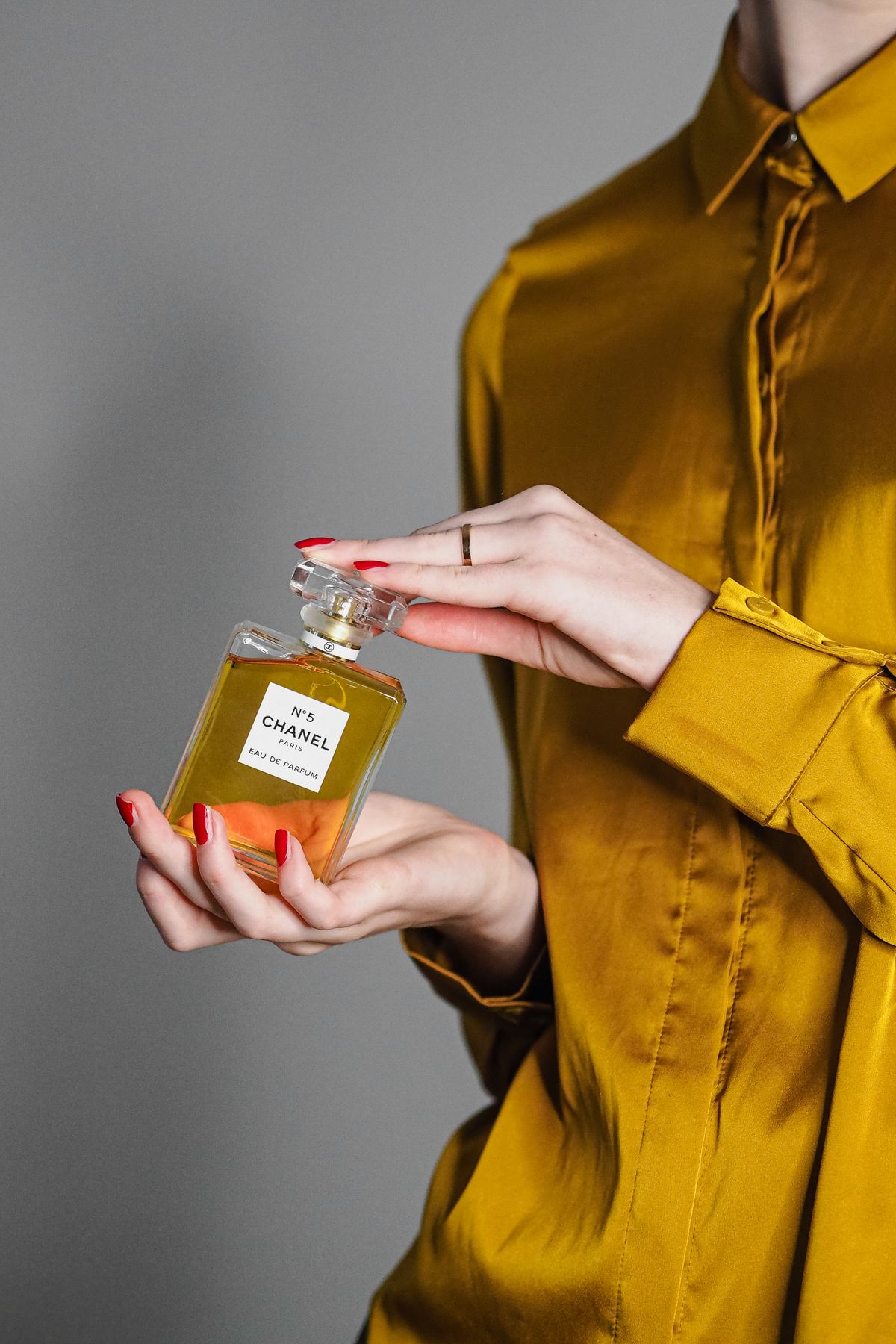
Photo: Pexels · License. Illustrative stock photography; pictured people, products and settings are not claimed to demonstrate this exact guide or endorse this publication.
Know both fragrances separately
Layering is easier to evaluate when you can describe each component alone. If both are unfamiliar, a confusing result leaves too many unanswered questions. Begin with two products you already enjoy and choose a specific aim, such as a brighter or drier impression. Jo Malone's pairing approach is an example of brand guidance, not a universal compatibility guarantee. Keep an observation separate from a guarantee.
Keep products in their original containers
Do not mix finished perfumes inside a bottle or add them to an unrelated lotion. This changes the product and removes the original labeling context. A personal layering experiment means using suitable finished products as directed, not reformulating them at home. Check application instructions and avoid layering on irritated skin or near eyes. Choose the simpler option when two approaches meet the same need.
Start with a paper comparison
Label separate blotters and smell each by itself. Then hold them near each other at a comfortable distance without touching wet areas. Record whether one overwhelms the other or whether the combination adds the quality you wanted. This is a screening exercise, not a reliable prediction of exact skin wear or safety.
Change only one pairing variable
Compare a familiar base scent with one additional option before adding a third. If every trial changes both products, the amount and the setting, the result becomes hard to interpret. Keep a simple note of what you actually used. More components can make a scent busier without making it more interesting or useful. Allow the result to be a decision to wait.
Choose a relationship you can describe
Shared notes are one possible starting point, while a contrast such as soft floral and dry wood is another. Neither rule guarantees success. Ask whether the combined impression supports your specific goal. A pairing that feels pleasant but loses the favorite character of both originals may not be worth repeating.
Keep application modest and directed
If you proceed to wear, follow each product's instructions and consider the shared environment. Do not use layering as a reason to apply several full routines together. There is no universal safe or discreet spray formula. Stop if a product causes irritation, and do not assume that enjoying both separately establishes compatibility for every person.
Evaluate the complete impression
Record the early combined character and what you notice later, without promising a performance boost. If one scent dominates, try wearing them separately another day instead of immediately adding more of the weaker-seeming product. You may prefer the original fragrances alone. A failed pairing is useful information rather than wasted ownership. Make a brief comparison in your own words.
Save only repeatable combinations
Write the exact versions, application approach and reason you liked a result. Give the pairing a practical description instead of an exaggerated identity claim. Revisit it in a suitable setting before buying another bottle solely to complete the combination. A small set of clear experiments is more useful than an endless list of untested combinations. Change one relevant detail at a time.
A worked decision example
You like a floral sample but wonder whether a drier woody scent would make the overall impression more appealing. First smell both separately on labeled paper. Then compare the strips near each other without pressing wet surfaces together. If the combined impression feels crowded, keep them as separate choices. If it is interesting, try only a product-compatible, label-directed wear experiment later. Do not pour the liquids together. A pairing can be a fun personal preference exercise without being more complex, longer lasting or better than either finished fragrance on its own.
Turn this comparison into a usable next step
The practical outcome here is to test a two-scent pairing while preserving a clear comparison with each scent alone. A remembered impression is easy to attach to the wrong concentration or size. There is no need to manufacture a confident verdict.
Your working checklist
Checkmarks stay in this browser when storage is available. They do not submit information or complete a purchase.
Put it into practice
- State the specific purpose: test a two-scent pairing while preserving a clear comparison with each scent alone; write it before comparing promotional descriptions.
- Begin with the first decision above: know both fragrances separately. Keep the options few enough to identify clearly.
- Check the exact labels and follow the preparation point: keep products in their original containers, without assuming similar packaging means identical products.
- Work through the comparison: start with a paper comparison. Record one plain-language observation before changing anything else.
- Use the middle-stage advice to choose a relationship you can describe; distinguish a personal impression from a general performance or safety claim.
- Apply the practical follow-through: evaluate the complete impression. Check the current information for the actual seller or product involved.
- Finish by deciding whether to repeat, keep a sample, purchase a suitable format or stop; record the reason so the next decision begins with useful evidence.
Before you finish
- The result addresses the original aim to test a two-scent pairing while preserving a clear comparison with each scent alone.
- Every sample or listing can be identified by its full name and version; no decision depends only on box color.
- Directions, known restrictions and the shared setting have been considered without assuming a marketing term guarantees comfort.
- The next step is specific, affordable and optional; you have not turned an uncertain impression into a required purchase.
Common questions
Do I need expensive products to use this method?
No. The task is to test a two-scent pairing while preserving a clear comparison with each scent alone, so clear identification and a manageable comparison matter more than price. Use legitimate samples or information for products within your budget. A more expensive bottle does not remove uncertainty about your own preference or make an unsuitable format more practical.
What if my impression does not match the advertised notes?
Keep your own description and confirm the exact product version. Marketing language provides context but is not an instruction for what you must perceive. For this topic, return to the distinction in “Start with a paper comparison” and ask whether that helps you make a clearer choice. You do not need to identify every named note.
Can these steps guarantee that a fragrance will suit me?
No. These are practical decision exercises, not personal safety assessments, laboratory tests or guaranteed wear-time predictions. Follow the label and stop using a product that causes irritation. If a known sensitivity or medical concern affects your decision, the relevant professional advice and actual ingredient information take priority over a general fragrance guide.
When is the comparison finished?
It is finished when you can explain the next step in a sentence: try a named option again, check a specific condition, choose a suitable format or pass. For “how to layer two perfumes for beginners,” unresolved uncertainty is a valid reason to wait. You do not need a full bottle or a numerical ranking to have learned something useful.