How to Store Perfume in a Small Apartment Away from Heat and Sunlight
This guide helps you find a stable, practical home for fragrance without special display equipment. It uses original comparison exercises and practical examples alongside the linked brand and FDA references; it is not a claim that we have worn or laboratory-tested every product. Fragrance preference is personal, and names, marketing notes and bottle size cannot settle it for you. Work through the decisions below with the exact products and directions in front of you, then keep only the observations that help with your next choice.
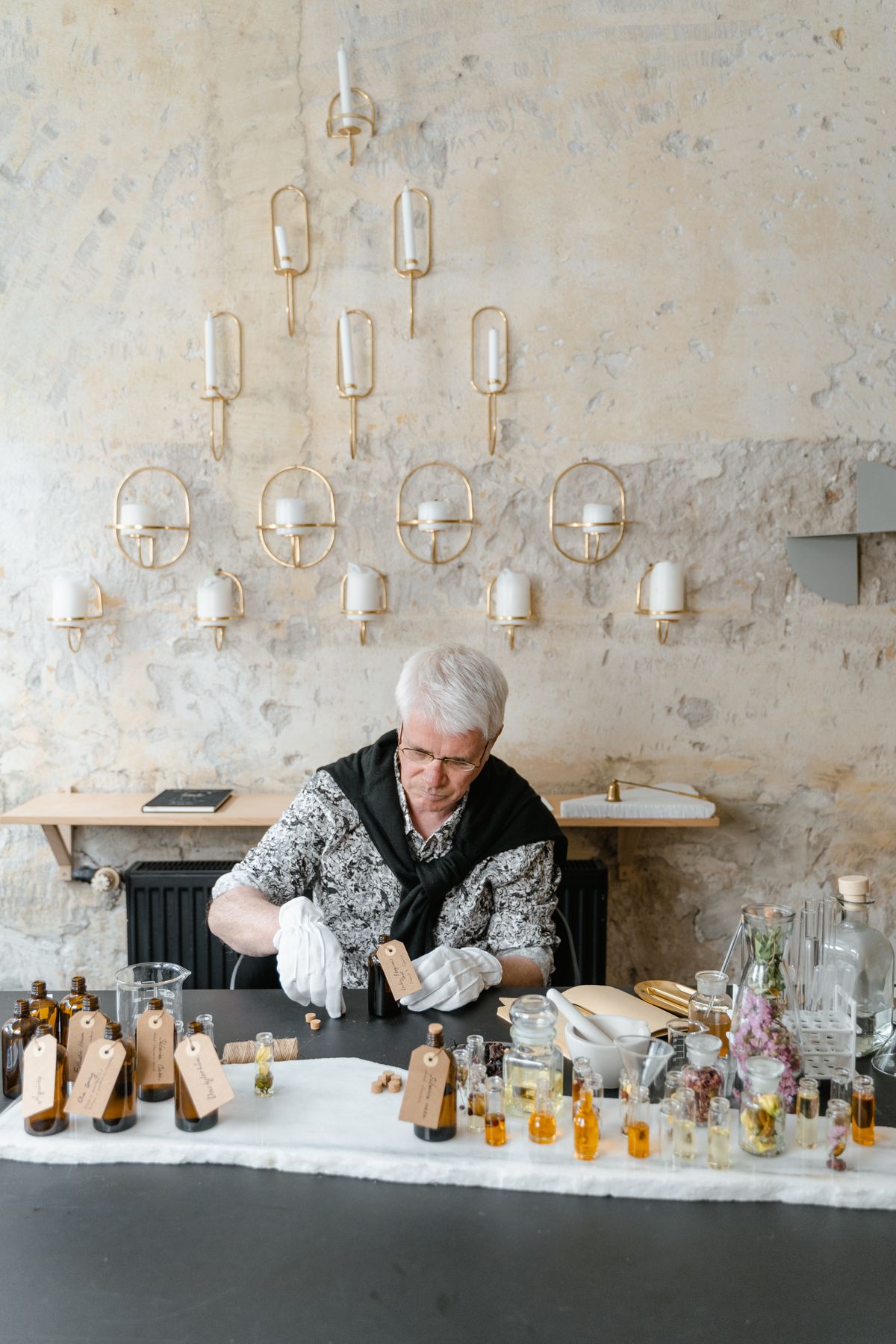
Photo: Pexels · License. Illustrative stock photography; pictured people, products and settings are not claimed to demonstrate this exact guide or endorse this publication.
Map the storage conditions
Look at direct sun, nearby heaters and the chance of accidental spills before choosing a shelf. CHANEL and Guerlain identify storage conditions as important for fragrance care. A small shaded area can be more useful than a large decorative display. You do not need a dedicated fragrance cabinet to make a sensible improvement.
Choose a shaded stable location
A closed bedroom cupboard or shaded drawer may suit the space better than a bright windowsill. Keep bottles upright where practical and avoid a position where opening a door repeatedly knocks them over. Do not assume a bathroom is suitable merely because other cosmetics live there; assess its heat, light and storage conditions individually. Allow the result to be a decision to wait.
Keep caps and packaging useful
Close containers securely after use and retain original labels. Original boxes can help shield bottles from light when the storage area is bright. Packaging is not magical protection against a hot location, so solve the location problem first. Keep enough identification visible that you can select a bottle without unpacking the entire collection.
Separate samples without losing names
Use a small divided box or labeled envelopes that keep sample containers upright and distinguishable. Do not cover essential product information with decorative tape. An unidentified sample is difficult to evaluate or replace. Keep the exact version with the vial rather than relying on a memory of the discovery-set position.
Avoid the hot-car shortcut
A car, radiator shelf or sunny travel bag is a poor long-term storage choice. Protect fragrance during journeys and bring it indoors rather than leaving it in a parked vehicle. A travel size can reduce breakage concerns but does not remove heat sensitivity. Follow the carrier's current rules separately when packing liquids. Make a brief comparison in your own words.
Do not invent a universal expiry date
Use the product's labeling and manufacturer advice rather than applying one internet shelf-life rule to every fragrance. Changes in color or smell can have different causes and do not give a home user a full safety assessment. If the product appears compromised or causes irritation, stop using it and contact the manufacturer when appropriate. Change one relevant detail at a time.
Keep access safe and predictable
Store fragrance where children or pets cannot reach or knock it down, and follow any flammability warnings on the package. Do not place it beside open flames or heat sources. A secure shelf with readable bottles is more useful than a dramatic display that makes breakage or misuse more likely. Keep an observation separate from a guarantee.
Review storage before buying organizers
Use a plain tray, divider or existing cupboard before purchasing elaborate equipment. Check that the location solves actual exposure and access problems. If the collection no longer fits safely, pause purchases or move unused packaging rather than crowding bottles together. The best organizer is one that supports the way you use and identify the products. Choose the simpler option when two approaches meet the same need.
A worked decision example
Your brightest dressing-table shelf looks attractive but receives afternoon sun, while a closed bedroom cupboard stays shaded and is easier to keep away from a radiator. Choose the cupboard and use a small tray or divider to prevent bottles from knocking together. Keep a frequently used bottle accessible without leaving it on the windowsill. The improvement is a sensible reduction in heat and light exposure, not a guarantee that every perfume will remain unchanged for a specific number of years. Follow each brand's instructions and keep products securely out of children's reach.
Turn this comparison into a usable next step
The practical outcome here is to find a stable, practical home for fragrance without special display equipment. A remembered impression is easy to attach to the wrong concentration or size. There is no need to manufacture a confident verdict.
Your working checklist
Checkmarks stay in this browser when storage is available. They do not submit information or complete a purchase.
Put it into practice
- State the specific purpose: find a stable, practical home for fragrance without special display equipment; write it before comparing promotional descriptions.
- Begin with the first decision above: map the storage conditions. Keep the options few enough to identify clearly.
- Check the exact labels and follow the preparation point: choose a shaded stable location, without assuming similar packaging means identical products.
- Work through the comparison: keep caps and packaging useful. Record one plain-language observation before changing anything else.
- Use the middle-stage advice to avoid the hot-car shortcut; distinguish a personal impression from a general performance or safety claim.
- Apply the practical follow-through: keep access safe and predictable. Check the current information for the actual seller or product involved.
- Finish by deciding whether to repeat, keep a sample, purchase a suitable format or stop; record the reason so the next decision begins with useful evidence.
Before you finish
- The result addresses the original aim to find a stable, practical home for fragrance without special display equipment.
- Every sample or listing can be identified by its full name and version; no decision depends only on box color.
- Directions, known restrictions and the shared setting have been considered without assuming a marketing term guarantees comfort.
- The next step is specific, affordable and optional; you have not turned an uncertain impression into a required purchase.
Common questions
Do I need expensive products to use this method?
No. The task is to find a stable, practical home for fragrance without special display equipment, so clear identification and a manageable comparison matter more than price. Use legitimate samples or information for products within your budget. A more expensive bottle does not remove uncertainty about your own preference or make an unsuitable format more practical.
What if my impression does not match the advertised notes?
Keep your own description and confirm the exact product version. Marketing language provides context but is not an instruction for what you must perceive. For this topic, return to the distinction in “Keep caps and packaging useful” and ask whether that helps you make a clearer choice. You do not need to identify every named note.
Can these steps guarantee that a fragrance will suit me?
No. These are practical decision exercises, not personal safety assessments, laboratory tests or guaranteed wear-time predictions. Follow the label and stop using a product that causes irritation. If a known sensitivity or medical concern affects your decision, the relevant professional advice and actual ingredient information take priority over a general fragrance guide.
When is the comparison finished?
It is finished when you can explain the next step in a sentence: try a named option again, check a specific condition, choose a suitable format or pass. For “how to store perfume small apartment no sunlight,” unresolved uncertainty is a valid reason to wait. You do not need a full bottle or a numerical ranking to have learned something useful.