Citrus vs Fresh Perfume: How to Compare Bright Scents Without Buying Blind
This guide helps you separate citrus brightness from other fresh scent impressions. It uses original comparison exercises and practical examples alongside the linked brand and FDA references; it is not a claim that we have worn or laboratory-tested every product. Fragrance preference is personal, and names, marketing notes and bottle size cannot settle it for you. Work through the decisions below with the exact products and directions in front of you, then keep only the observations that help with your next choice.
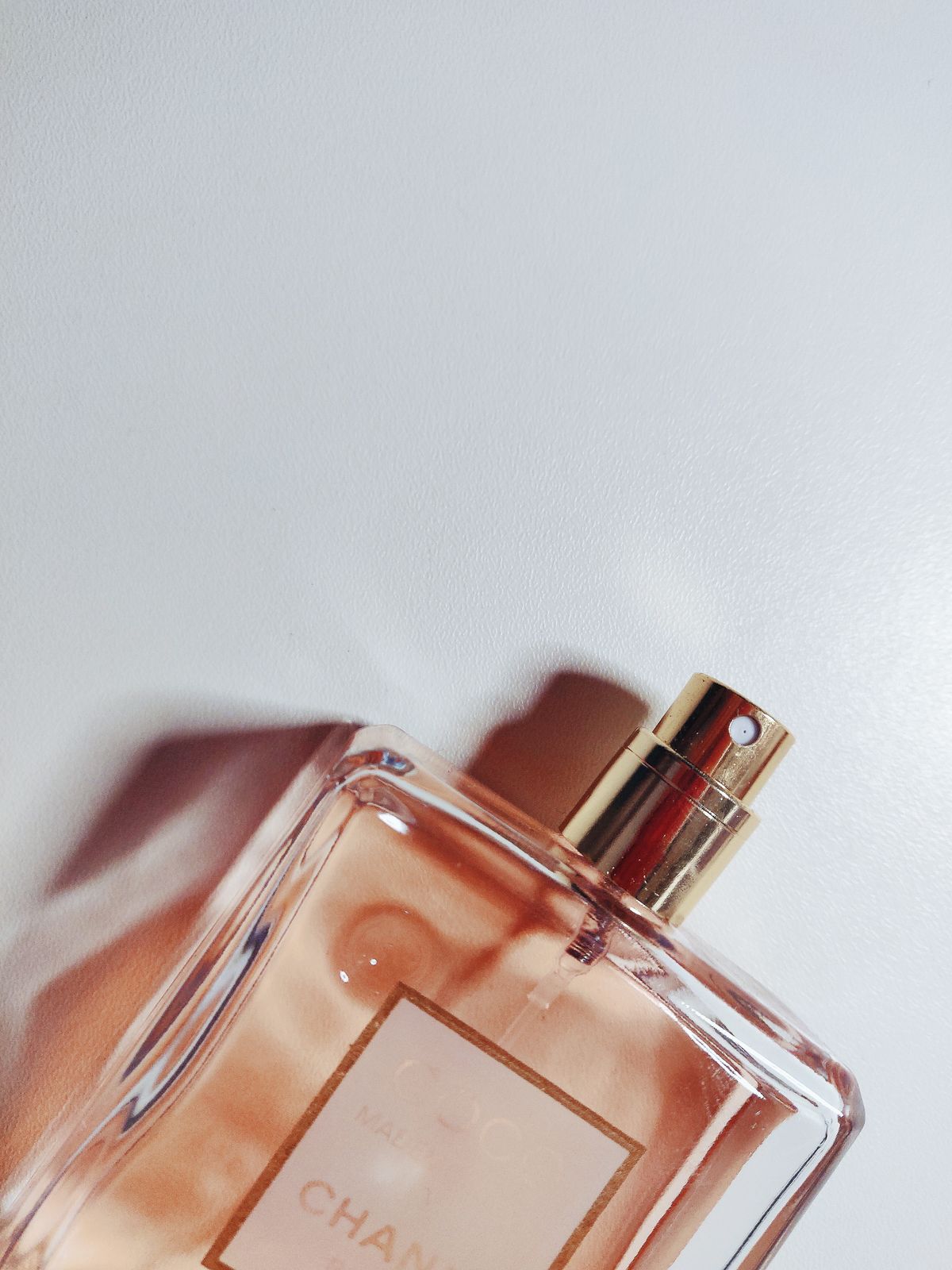
Photo: Pexels · License. Illustrative stock photography; pictured people, products and settings are not claimed to demonstrate this exact guide or endorse this publication.
Make fresh a starting description
Fresh is a broad impression, not a promise that every scent will smell like citrus peel. Green, watery, aromatic and citrus directions can each feel fresh in different ways. Start by identifying the quality you actually want. A brisk herbal effect may suit your preference better than a sweet fruit impression even when both are sold for daytime. Change one relevant detail at a time.
Compare peel, juice and sweetness
When smelling a citrus-style sample, ask whether it reminds you of zest, sweet juice, bitter rind or a polished abstract citrus. These are descriptive associations rather than proof of ingredients. Write the difference in ordinary words. A scent that feels like sweet lemonade to one person can be a poor match for someone seeking a drier bitter-peel impression. Keep an observation separate from a guarantee.
Add one contrasting fresh sample
Choose a green or airy sample alongside the citrus finalist. Comparing two almost identical bottles can hide the broader preference. Ask whether you want the sensation of fruit, leafy crispness or an open clean texture. The answer makes the next shortlist more precise and avoids treating a shop's seasonal category as a complete description. Choose the simpler option when two approaches meet the same need.
Follow what remains later
Notice whether the bright impression stays recognizable, becomes softer or gives way to another character. Do not infer a universal duration from the family name. Concentration labels and citrus terminology cannot predict an exact personal wear time. A later woody or musky impression may be the reason you enjoy a sample, even if the opening first attracted you.
Keep weather expectations modest
A light-sounding description is not a guarantee of comfort in heat or crowded transport. Test the actual product in a normal setting and apply according to its label. Consider the preferences of people sharing the space. Choosing less fragrance or none at all can be the most appropriate option where a fragrance-free policy applies. Allow the result to be a decision to wait.
Compare exact versions
Check that a travel size and a full bottle have the same name and concentration. Similar packaging can disguise a different version. Do not use an old note list from an unrelated flanker to explain what you smell. Save the current product description with your own notes if you are making a purchase decision across several sessions.
Build a small decision grid
Use headings for citrus character, sweetness, later impression, comfort and desire to wear again. Mark observations in words instead of creating false precision with elaborate scores. If two samples tie, let a practical factor such as price, available size or a clear return policy break the tie. There is no requirement to crown a universal winner.
Avoid replacing testing with a seasonal rule
You can enjoy citrus outside summer and a richer fragrance during warm weather if the setting and your preference allow it. Seasonal labels are prompts for exploration rather than restrictions. Buy for the situations you actually encounter instead of building a hypothetical wardrobe around a list of rules that do not reflect your life. Make a brief comparison in your own words.
A worked decision example
Imagine comparing a peel-like citrus with an airy watery composition. Both may be described as fresh, but the first suggests bitter zest and the second feels smoother and less fruit-like to you. If your real goal is a crisp everyday scent, keep both in the trial rather than excluding the watery option because the label lacks lemon. On a second session, notice which later impression you prefer. The fragrance with the brightest opening does not automatically fit your routine best. This comparison describes a method, not a promise about the lasting power of an entire family.
Turn this comparison into a usable next step
The practical outcome here is to separate citrus brightness from other fresh scent impressions. A remembered impression is easy to attach to the wrong concentration or size. There is no need to manufacture a confident verdict.
Your working checklist
Checkmarks stay in this browser when storage is available. They do not submit information or complete a purchase.
Put it into practice
- State the specific purpose: separate citrus brightness from other fresh scent impressions; write it before comparing promotional descriptions.
- Begin with the first decision above: make fresh a starting description. Keep the options few enough to identify clearly.
- Check the exact labels and follow the preparation point: compare peel, juice and sweetness, without assuming similar packaging means identical products.
- Work through the comparison: add one contrasting fresh sample. Record one plain-language observation before changing anything else.
- Use the middle-stage advice to keep weather expectations modest; distinguish a personal impression from a general performance or safety claim.
- Apply the practical follow-through: build a small decision grid. Check the current information for the actual seller or product involved.
- Finish by deciding whether to repeat, keep a sample, purchase a suitable format or stop; record the reason so the next decision begins with useful evidence.
Before you finish
- The result addresses the original aim to separate citrus brightness from other fresh scent impressions.
- Every sample or listing can be identified by its full name and version; no decision depends only on box color.
- Directions, known restrictions and the shared setting have been considered without assuming a marketing term guarantees comfort.
- The next step is specific, affordable and optional; you have not turned an uncertain impression into a required purchase.
Common questions
Do I need expensive products to use this method?
No. The task is to separate citrus brightness from other fresh scent impressions, so clear identification and a manageable comparison matter more than price. Use legitimate samples or information for products within your budget. A more expensive bottle does not remove uncertainty about your own preference or make an unsuitable format more practical.
What if my impression does not match the advertised notes?
Keep your own description and confirm the exact product version. Marketing language provides context but is not an instruction for what you must perceive. For this topic, return to the distinction in “Add one contrasting fresh sample” and ask whether that helps you make a clearer choice. You do not need to identify every named note.
Can these steps guarantee that a fragrance will suit me?
No. These are practical decision exercises, not personal safety assessments, laboratory tests or guaranteed wear-time predictions. Follow the label and stop using a product that causes irritation. If a known sensitivity or medical concern affects your decision, the relevant professional advice and actual ingredient information take priority over a general fragrance guide.
When is the comparison finished?
It is finished when you can explain the next step in a sentence: try a named option again, check a specific condition, choose a suitable format or pass. For “citrus vs fresh perfume differences for beginners,” unresolved uncertainty is a valid reason to wait. You do not need a full bottle or a numerical ranking to have learned something useful.